
Second Mindfulness Training: True Happiness
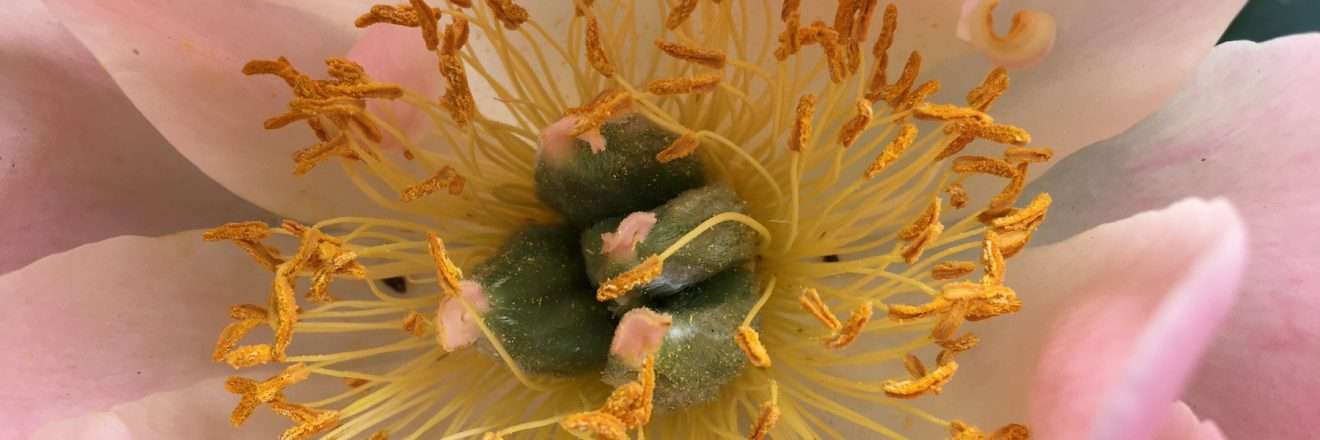
Tonight we reflect on the second mindfulness training, True Happiness, as written by Thich Nhat Hanh, or Thay, followed by reflections on happiness, its different levels, and the connection between generosity and happiness.
True Happiness
Aware of the suffering caused by exploitation, social injustice, stealing, and oppression, I am committed to practicing generosity in my thinking, speaking, and acting. I am determined not to steal and not to possess anything that should belong to others; and I will share my time, energy, and material resources with those who are in need. I will practice looking deeply to see that the happiness and suffering of others are not separate from my own happiness and suffering; that true happiness is not possible without understanding and compassion; and that running after wealth, fame, power and sensual pleasures can bring much suffering and despair. I am aware that happiness depends on my mental attitude and not on external conditions, and that I can live happily in the present moment simply by remembering that I already have more than enough conditions to be happy. I am committed to practicing Right Livelihood so that I can help reduce the suffering of living beings on Earth and stop contributing to climate change.
How would you describe happiness? Is it the joy of eating a dark chocolate ice cream cone on a hot summer’s day? The peace we experience when communing with nature or connecting with other people? Is it the feeling we get when we’ve done something good for someone else or accomplished a difficult task? Perhaps happiness comes in a state of flow, when we are so absorbed in something that we lose our sense of self and become part of the unfolding process. Or in a state of restful awareness—simply being, listening, and observing. I find happiness in all of these experiences.
Joseph Goldstein outlines four levels of happiness, each deeper and more significant than the last. The first level is the happiness of sense pleasures. Think of that ice cream cone on a hot day. This is the most common form of happiness, but for an untrained mind, it can also give rise to craving and suffering.
The second level is the happiness that comes from living ethically. This includes recognizing and experiencing the interdependence of all life. Our thoughts become less centered on ourselves, and we become more attentive to the well-being of both ourselves and others. Sharing our time, attention, and possessions comes more naturally, as does caring for those who need our help.
The third and fourth levels of happiness are associated with deep concentration, insight, wisdom, and equanimity. At these levels, happiness does not depend on external circumstances. We see more clearly the true nature of things, including impermanence and nonself—teachings that Thay helps us understand.
These brief descriptions offer a basic framework for understanding happiness and its many forms. They also help us appreciate the depth of the second mindfulness training. Thay encourages us to pay attention and look deeply, to see our interdependence and live with that awareness. He teaches that happiness depends on our mental attitude rather than external conditions.
This is something I appreciate more and more every time I revisit any of the Mindfulness Trainings. While each is only one – albeit long – paragraph, each one is packed with wisdom, insight, and helpful reminders. The thoughts and mental formations I’m working with are different today than what they were a week or a month ago. So, when I come back to these Mindfulness Trainings today, something different might speak louder and clearer than the last time I read it.
Now, I’d like to explore the connection of Happiness and Generosity we find in these mindfulness trainings. My understanding is that the five trainings derive from the five precepts. I often recite the five precepts in meditation, simply as a reminder of key considerations in how I can live a more peaceful, heartfelt, ethical, and meaningful life. Keeping things to a few words each, the five precepts, as I recite them to myself, are: (1) revere life, (2) share well (or practice generosity), (3) practice responsible sex, (4) speak truthfully, and (5) consume mindfully. Notice the second precept, share well, or practice generosity, does not mention happiness. How is it that Thay came to label this second Mindfulness Training as True Happiness? It seems to me there is a close, even inextricable, relationship between happiness and generosity.
Let’s consider some paths that do not lead to true happiness. Specifically, the Buddha and Thay teach us about the eight worldly winds. These are things that we might crave or avoid as we create our own illusions around pursuing happiness. The eight worldly winds are pain and pleasure, gain and loss, praise and blame, and good reputation and bad reputation. If the core of our moment-by-moment, daily existence is focused on the pursuit of personal pleasure, gain, praise, and good reputation, and aversion to their counterparts, then the world we’ve created for ourselves is a constant and endless ego-centric attempt to satisfy an ever-growing insatiable appetite for these things. If ninety-nine percent of our time is spent seeking to satisfy these cravings and aversions, then at the end of the day, what do we have? The word happiness does not come to mind.
Conversely, if, as the Buddha and Thay teach us, we learn to neither grasp nor avoid the eight worldly winds, but rather to simply experience them as they come, and to see their relative superficial and ethereal nature, we learn to not be affected so much by them. In doing so, we free ourselves from their inherent tyranny, and we might even grow in wisdom. Put another way, by not letting the eight worldly winds drive our actions, we experience truer happiness.
So what then does it look like to not let the eight worldly winds drive our actions? I think it means that, rather than seeking to constantly satisfy our own egos, we instead observe the totality of situations and consider what is needed for the betterment of all sentient beings and the environment within which we share. As Thay suggests in the first sentence of this first training, we commit to practicing generosity in our thinking, speaking, and acting. We work to not take from others that which is not ours. We vow to share our time, energy, and material resources with those who might have less and are in greater need of these things. In short, Thay is teaching us that true happiness stems from true generosity.
With this second training, Thay reminds us of the interdependence of all beings, noting that the happiness and suffering of others are not separate from our own happiness and suffering. He reminds us of the need for understanding and compassion. And he reminds us that we have agency; we have free choice: happiness depends on our own mental attitude and not on external conditions.
Much of what I’ve shared so far might seem like lofty ideals and unattainable goals. In his book, The Six Perfections, author Dale Wright notes that the Bodhisattva gives simply because the need exists. As simple as that sounds, this reflection reminds me of how much of a Bodhisattva I am not. However, I find it helpful to see these ideals as guiding beacons of wisdom to lean into, rather than being some lofty goal that I will or will not meet.
I recognize that as I get older, I am more aware of how little time I have left to live in this body, here on earth. This awareness encourages me to reflect on my daily choices—how and where I focus my time and energy. I believe practicing generosity in heartfelt and meaningful ways brings greater value to both the giver and the recipient.
I also try to be generous with myself by not dwelling on past mistakes or beating myself up for unskillful actions. Instead, I continue to practice awareness and acceptance of how the mind works, and to take what my mind says less personally.
I am grateful for the ability to practice generosity and share happiness with others. Author Dale Wright observes that many people and circumstances enable us to give: our parents, family, friends, employers, and more. When I give, then, it is not just “me” who is giving. I try to reflect on this both in meditation and in moments of sharing.
Happiness comes in many forms and levels. Just as all living beings are interdependent, so too are happiness and generosity. Thay helps us see this in the second mindfulness training. Reflecting on any of the trainings can bring new insights and understanding, helping us along the path. I am grateful for this opportunity to reflect, and for this sangha, where we can share and grow together.