
Taking Refuge in Oneself
SnowFlower Sun – May & June 2018
From a talk by Sr. Annabel Laity (True Virtue)
The Buddha advised his followers to take refuge in themselves: to trust their own experience, considered
mindfully. There are said to be 84,000 dharma doors, so we must choose those which seem relevant and
useful. These doors include the door of self and the door of non-self.
We can think of taking refuge in oneself as going back to our own island. We can use the sound of the bell
to bring us back. We can come back to every cell in our body. Every cell contains our ancestors. Our
ancestors are also listening to the bell and coming back to themselves. We are even coming back to our
descendants and they can all listen to the bell. If we can do this, then we have not been born and will not
die.
On the island it is easier to practice mindfulness. However, anything that is found on the island can also be
found on the mainland. The island is made of our consciousness. When we allow ourselves to be in touch
with the natural environment in our self, we can nourish our self. Doing this we are also nourishing others.
The Buddha is sometimes referred to as the King of Doctors because he has medicines for all our
suffering. Different illnesses need different medicines. Sometimes, we are lost in self and need the
medicine of non-self or emptiness. Other times we can be lost in non-self and need the medicine of self:
to return to the island of this mind and body in the present moment. And sometimes we don’t need any
medicine!
Our fear is based on an idea of a small self, and we need to be liberated from the small self. The practice
of prostration or Touching the Earth is to surrender mind, heart and body, to allow the true self of
emptiness and interbeing to appear. Empty of a separate, limited self, the non-self = the universe! The
true self is completely impermanent and so encompasses change, life and death. Realization gives nonfear and freedom.
We may prostrate to a representation of the Buddha, not the Buddha in person, nor an external divine
being. We do well not to get caught up in the word “God”. It is the same with the word “self”. The Hindu
word atman carries with it the idea that the one contains the all. We can experience freedom from fear
when we realize this. When we are afraid, we can harm ourselves and harm others.
The ideas of non-permanence and non-self are the same. When we say we am empty of a separate self,
we are also saying that we are impermanent. Some people find the idea of permanence attractive, they
want to live forever and see impermanence and death as cruel. At spring time, we can see the miracle of
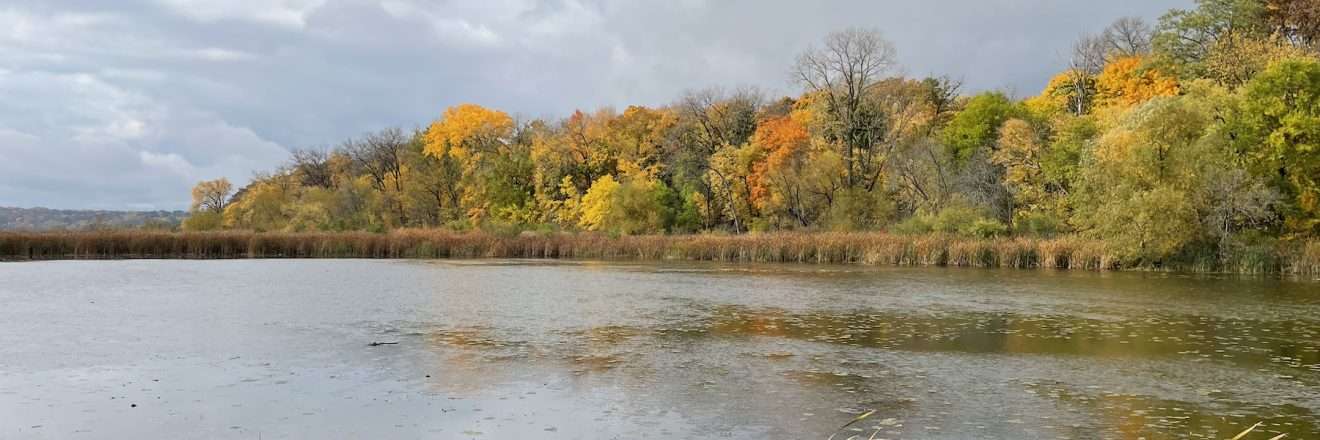
life and feel that life is wonderful. But we need Winter for there to be Spring. We need the decay of
Autumn to produce the nourishment needed for Spring. Death is needed in order to have new life. We
cannot have one without the other.
One who was dying was encouraged to focus on good things. This raised his spirits so that he was strong
enough to meditate. He focused on each part of himself, his eyes, his ears, and so on. He realized that
each part was not himself.
He was able to see that the past and the future were not himself either. He began to cry. When asked
why he was crying, he said it was because he was so moved. Close to death he realized how wonderful life
is and was filled with joy. We may need to go down to the bottom of our suffering before we realize how
wonderful life is!